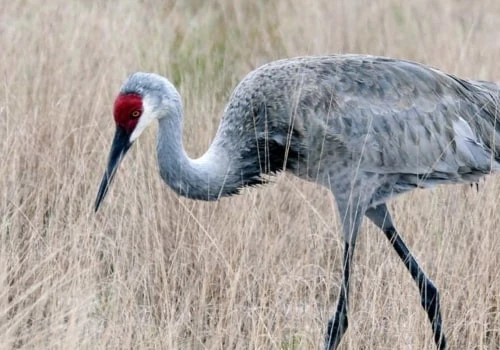
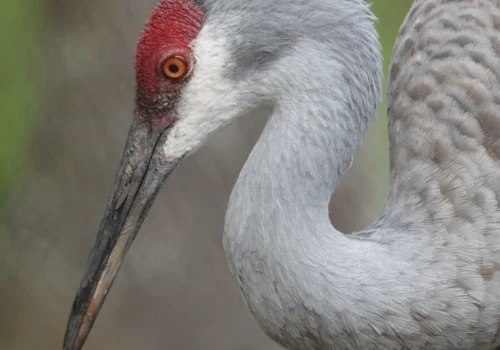
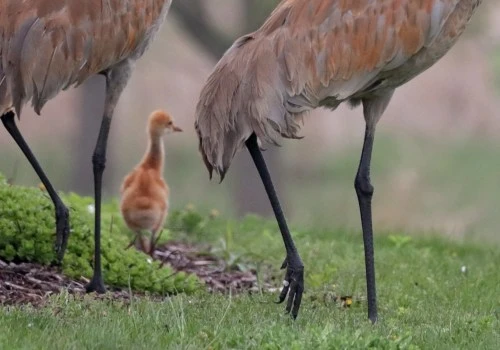
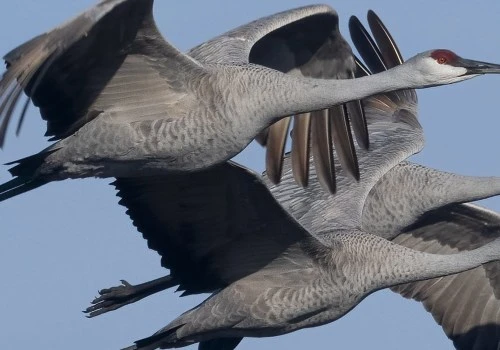
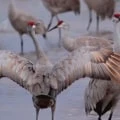
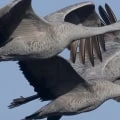
Sandhill cranes (Grus canadensis) are a species of large, grey birds with long legs and necks, similar to herons, and a bald patch of red skin on the top of their heads. They are unique in flight, as they can be seen flying with their necks fully extended. Two subspecies of sand cranes are found in Florida: the Florida sand crane (Grus canadensis pratensis) and the greater sand crane (Grus canadensis tabida). The Florida sand crane is a non-migratory species that nests in freshwater ponds and swamps, while the greater sand crane is a migratory species that winters in Florida but nests in the Great Lakes region.
Unfortunately, sandhill cranes are facing a number of threats to their survival. Habitat loss, wetlands destruction, and development are all contributing to the endangerment of two subspecies of sand cranes. The largest congregation of these birds is found from February to early April along the Platte River in Nebraska. Isolated populations in Mississippi and Cuba are also endangered.
Sandhill cranes nest in late winter and spring in mats of vegetation about two feet in diameter and in shallow water. They feed on seeds, grains, berries, insects, earthworms, mice, small birds, snakes, lizards, frogs, and crayfish. They are protected by the U. S.
Migratory Bird Treaty Act and as an endangered species designated by the state under the Florida Endangered and Endangered Species Rule.For about a month of March, more than 500,000 sand cranes converge in the Platte River basin in Nebraska to rest and eat before finishing their migration to their breeding grounds in the north. Sand cranes are large birds that live in open habitats, so they're fairly easy to spot if you go to the right places.Sandhill cranes are monogamous (reproduce with a partner). Courtship consists of dancing which consists of jumping, running and flapping their wings. Both partners build sand crane nests with grass, moss and sticks.
The females lay two eggs that are incubated for 32 days. Within 24 hours of hatching, the young are able to follow their parents away from the nest.At ten months of age, young people can leave their parents. The bond between couples begins at two years old. Degradation or direct loss of habitat due to the drainage of wetlands or the conversion of prairies for development or agricultural use are the main threats faced by Florida sand cranes.The conservation status of sandhill cranes is an urgent matter that needs to be addressed immediately.
These majestic birds have been around for thousands of years but now face an uncertain future due to human activities. It is essential that we take steps to protect these birds and their habitats so that future generations can enjoy them. We must work together to ensure that these birds have safe habitats where they can thrive and reproduce without fear of destruction or disruption from human activities. We must also work together to educate people about the importance of protecting these birds and their habitats so that we can ensure their survival for generations to come.